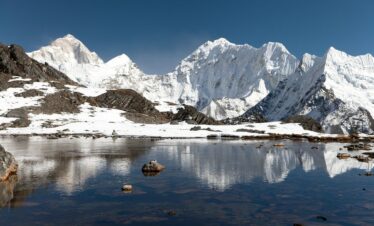
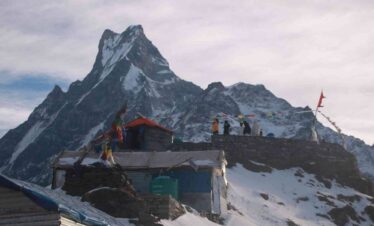
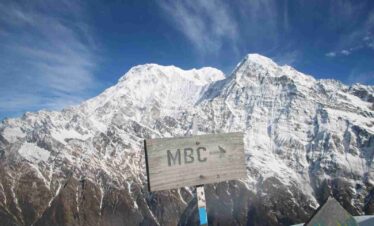
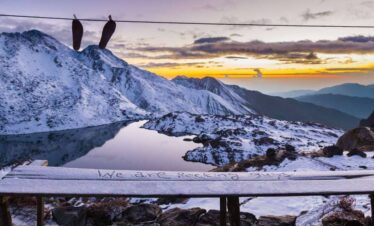
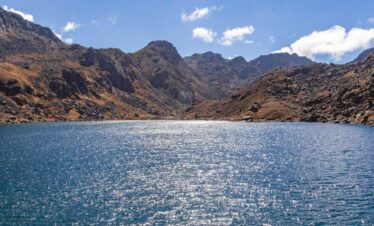
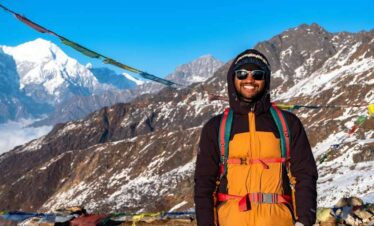
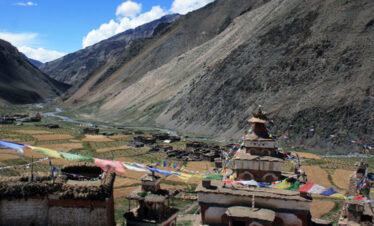
Trek up to the Langtang Valley region crossing the iconic Ganja La Pass trek (5200 meters) and witness the Himalayan Ranges spread at 360 degrees. This 13-day trek introduces you to the Langtang range, undiscovered adventure, and Himalayas peaks.
Trip Info
-
Hotel & Guesthouse
-
Kathmandu
-
March to May & Sep to Dec
-
Private Vehicle
-
Moderate
-
5000 M
-
Eco-Tour, Hiking, Trekking
-
2-12
Ganja La Pass Trek Overview
Highlights of Ganja La Pass Trek
- Immerse yourself in the rich culture and tradition of the Tamang people.
- Witness breathtaking views of the Langtang range.
- Hike through diverse landscapes, from alpine meadows to rhododendron forests.
- Discover ancient Buddhist monasteries and local cheese factories.
- Appreciate the diverse flora and fauna of the region.
- Keep your eyes peeled for the elusive red panda.
Ganja La Pass Trek Itinerary
Max Altitude: 1,400 meters
Hours: Arrival time varies
Meals: No meals included
Accommodation: Hotel in Kathmandu
Upon landing at Tribhuvan International Airport, a friendly representative from our team will be waiting to greet you with a smile. Relax and leave the transportation to us; a comfortable private vehicle will whisk you away to your hotel in Kathmandu, where you can rest and prepare for your exciting adventures ahead
The Cost Includes & Excludes
Cost Includes
- Pick up and drop at the location by private/tourist bus
- Two-night stay at the 3-star hotel including breakfasts, (private room can be organized as per requests on added costs)
- Fresh organic food and veggies, authentic local Drinks, and all meals are included during the trek.
- Permits and fees are included too
- Trekking camping equipment (tents, Mattress, dining tent, kitchen tent, etc.)
- Healthy full board meal including seasonal fruits.
- Friendly and trusted potters for carrying bags and luggage of 2 clients each.
- Fees for local charges and taxes.
- Pure and filtered water in the trails using water filter water purification.
- ECO adventure T-shirts and caps as Souvenir
- Road Maps and assistance guide for clients.
- Medical expenses and official expenses for all staff.
- A farewell dinner on the last night in Nepal.
Cost Excludes
- Meal wish list except for breakfast, lunch, and dinner during the trek
- Personal expenses, altered schedule for personal reasons.
- International flight fare and departure tax.
- Nepal tourist visa-fee.
- Snacks and drinks including water during trekking.
- Travel as well as emergency evacuation coverage.
- Tips for potters, drivers, and staff.
- Hot shower, battery charges, and snacks in the tea houses.
- Excess bags of more than 15 kg
- Internet, and phone calls during trekking.
- Horse renting and additional porters and gear due to natural calamities during the trek
Packing lists for Ganja La Pass Trek
When preparing for the Ganja La Pass Trek, it’s essential to pack wisely to ensure you have the necessary items for a comfortable and safe trekking experience. Here’s a packing list to consider:
- Clothing (for Layering):
Base Layers:
- Moisture-wicking shirts (2-3)
- Quick-drying hiking pants (1 convertible or one pair each)
Insulating Layers:
- Fleece or wool jacket (1)
- Down jacket (suitable for high altitude – coldest nights can reach -10°C)
Outer Shell:
- Waterproof and windproof jacket with hood
- Waterproof and breathable hiking pants
Other:
- Comfortable hiking shorts (1)
- Thermal underwear (tops and bottoms – optional for extra warmth)
- Warm hat (fleece or wool)
- Sun hat with a brim
- Buff or neck scarf
- Gloves (inner fleece gloves and waterproof outer shell)
- T-shirts (2-3)
- Underwear (enough for the duration of the trek)
- Comfortable sleepwear (optional)
Footwear:
- Sturdy, waterproof hiking boots with good ankle support
- Camp shoes or sandals (optional) for evenings at teahouses
Headlamp:
- With a spare battery and headlamp pouch
Sun Protection:
- Sunglasses with UV protection
- Sunscreen (SPF 50+) and lip balm with SPF
Other Essential Items:
- Trekking poles (highly recommended)
- Water bottles (at least 2 liters capacity) – consider a hydration bladder
- Water purification tablets or portable water filter
- Personal toiletries (including biodegradable soap, toothbrush, toothpaste, etc.)
- Quick-drying towel
- Medications (personal prescription medications and basic first-aid kit)
- Cash (small denominations for teahouses and miscellaneous expenses)
- Camera with extra batteries and memory card
- Power bank (optional, but can help charge electronics)
- Pen and a small notebook
- Repair kit for minor clothing or gear repairs (optional)
- Zip-lock bags for organizing smaller items
- Pack rain cover for your backpack
Documents:
- Passport and copies
- Trekking permits (TIMS and ACAP)
- Travel insurance documents
Optional Items:
- Gaiters (for extra protection against snow and mud)
- Trekking map and guidebook
- Spork or camping utensils
- Snacks and high-energy food (especially for in-between meals on the trail)
- Earplugs and eye masks for sleeping in teahouses
- Book or play cards for entertainment during rest days
Remember:
- This is a general list, and you may need to adjust it based on the season, trek duration, and personal preferences.
- Check the weather forecast before your trek and pack accordingly.
- Choose quick-drying and breathable clothing materials.
- Pack light, but ensure you have enough warm layers for high altitudes.
- Packaging a little extra is better than being caught unprepared in remote areas.
→ For more details, Visit: Trekking Kit and Trekking Equipment Checklist for a complete full packing list!
Essential Info
Physical Fitness
Many people have questions as to what level of physical fitness is required for visiting Nepal, and that is extremely reliant on what activity the visitor is engaging in. With that said, for a standard trek of moderate grading (Everest Base Camp Trek is an example of moderate) the daily activity will be 7-8 hours, and elevation will generally not exceed 5,500 meters. The day’s trekking is sustained and will involve both long steep climbs, and descents with a variety of terrain underfoot from well-trodden paths, to rocks covered with ice or snow. A typical day would include a number of climbs or descents of 500 meters or more, starting after breakfast, resting at lunch, then continuous trekking until arriving at the teahouse.
In preparation for the trek, it is important to begin a training requirement at least 4 months before departing for Nepal. Three to four hours of aerobic exercise like running, walking, swimming, cycling & some gym work per week is the minimum and most will find it beneficial to add some basic strength training to their physical fitness routine. One of the best ways to prepare is to take practice hikes with a daypack roughly the same weight as what you will be taking on the trek. Do this only after a baseline of fitness has been reached. Moving fast is not the end goal, rather endurance is the focus, and will provide a more enjoyable and safe adventure.
Trekking Seasons in Nepal
There are two main seasons in which Nepal sees the most amount of visitors. Fall (September through November) being the most popular, and spring (March to May) coming in close behind. The summer months of June, July and August are the monsoon season and as such the trails are mostly washed out, and roads can sometimes be impassible due to landslide activates. Not to mention the view is non-existent. Still, there are a few places that lie in rain shadow areas and see significantly less rain if any at all, and summer can be a good time to visit these places.
Winter in Nepal is dry, with very cold nights where temperatures can drop to -20°C at the highest altitudes, but the days are pleasant and sunny. Additionally, the trails are much less crowded during this time of year. In Kathmandu, maximum daytime temperatures reach around 20°C.
Fall is the most popular because it’s after the monsoons, and the air is dry, the days are sunny, and everything is green in the lower valleys from the excessive rains. Spring is a popular choice because some rain returns, but the weather is generally warm and dry, and flowers are in bloom in the lower elevations.
Trekking Day
A typical trekking day begins with a cup of tea at around 6 in the morning. It is advised to pack your trekking gears in a duffle bag and essential supplies in your day pack in these early hours. After having breakfast, we begin the trek and head along the trail at around 8 am. The morning walk is designed to be longer as we begin with refreshed bodies and enthusiasm. Following a good morning’s walk, we make stop for lunch at around 11.30 am. The lunch involves group meals enjoying the vicinity around the stop. You can explore the surrounding or use the time according to your own consent. After resting for about an hour or two, we resume our trek to reach teahouse or camp by 3-4 pm. The afternoon walk is relatively shorter and can involve games and side trips as organized by the trekking guides. You also can enjoy breaks during the trek to relax, read or stroll around the area. You can converse with the local people and observe their lifestyle. Dinner is served around 7 in the evening to round off the day.
Meals and Accommodations
During the length of the trek, the accommodation style is commonly referred to as teahouse. These are family-run basic lodges that fill the role of the restaurant, meeting place, and boarding house for tourists. Electricity can be found in the rooms, which means one light bulb, and one or two outlets for charging electronics. The common areas are also lit by electricity. Teahouses may use solar, hydroelectric, or have electrical lines running into the village, so the commonality and availability of electricity may vary.
Most teahouses have private rooms, though if the trek is in a more remote or high altitude place dormitories are the norm. Each room has 1 or 2 single beds with basic bedding, and the bathroom is shared. Expect a mix of western and squat style toilets in the bathrooms.
Breakfast and dinner are taken at the teahouse and these lodges have large family style dining rooms centered on a stove to provide heat. The menu will have Nepali style western foods such as pasta, pizza, pancakes, burgers, and fries. Also on the menu is the traditional Dal Bhat meal. This is a lentil soup with rice and vegetable or meat curry. Most menus will also offer a smattering of local cuisine.
Internal Flight Delays
Nepal is an incredible country of mountains and valleys, rivers and green rolling hills. With this incredible diversity of landscapes, road travel can be extremely time consuming and flights within Nepal to reach popular trekking destinations is a must. Along with this mountainous terrain also comes the possibility of in climate weather. Not to mention the incredibly high number of visitors during peak seasons makes internal flight delays a very real possibility. To manage this possibility, it may be helpful to have a few extras days on either end of your tour. If any cancellations or flight delays do occur (high chances of flight delays from around Kathmandu to Lukla, Everest region), we also provide services to arrange helicopter to help you to be on your schedule on the premises of Civil Aviation Rules in Nepal which state that helicopters can fly if the visibility is 1500m. The cost ranges from USD350 to USD650 according to the number of passengers. The payment can be made either to the helicopter company or to us directly and can be made either by cash or using a credit card. It will also be helpful to purchase and review your insurance as some of the alternative measures for travel may be covered. Flight insurance too may cover changing your international flight if necessary.
Travel Insurance
Many expeditions and tours require that travel insurance is purchased prior to arriving in Nepal, but other treks and tours may not. However, travel insurance is definitely an important consideration. There are a number of reasons to consider insurance. Firstly, it may be required, so check to see what is being asked for by the company. Second, Nepal is a landlocked country, and there are few direct flights. Travel in and out can encounter some disruptions and if purchasing insurance, make sure flight delays and cancellations are included. The next reason to choose insurance is that, though every safeguard is in place during your tour, there are always extenuating circumstances that may result in an accident. Read the fine print of insurance policies to ensure trekking or any other activity you are engaging in is covered, as some policies have stopped covering trekking in certain places. It is impossible to have a relaxing trip without the comfort of good insurance, so do the research and choose carefully.
Nepal Visa Entry Procedure
For entry into Nepal, there are visa requirements everyone (except Indian nationals) must complete before being allowed to pass through immigration. This is for air travel as well as overland transportation. Most visitors may obtain a visa to enter Nepal, however, there are exceptions.
Three options are available for entry
15-day single entry: US $30
30-day single entry: US $50
90-day multiple entries: US $125
Please have a passport valid for at least 6 months from the time of entry, and have cash ready, preferably in US dollars, though there are other currencies Nepal Immigration accepts. If you are entering via overland, you must have US cash and 3 passport photos. For arrival by air, the kiosks at the airport take your picture for you.
For the most up to date list of exceptions for visa on arrival or to obtain the most current visa information, visit the Nepal Department of Immigration website.
Acute Mountain Sickness (AMS)
Acute Mountain Sickness is usually seen in un-acclimatized people shortly after ascent to high altitudes. The condition occurs due to the thinning of air as the altitude increases. The condition, if not taken seriously and treated immediately, can be life-threatening and its symptoms can be seen generally above 3000 meters. Some of the symptoms of AMS are nausea, vomiting, tiredness, shortness of breath and cerebral pain. The treks are designed to properly acclimatize you to the change in high altitude climate and sufficient precautionary measures too are taken to take utmost caution. We also equip our staffs with cell phones and satellite phones in occurrence of any emergency cases. We are greatly driven to keep the safety and security of our clients as our foremost concern.
Drinking Water
Water is essential for life, and clean water is imperative while on holiday. When choosing to visit less developed countries it is a concern that all travelers should consider. A few options are available when trekking or traveling in Nepal that will mitigate any chances of drinking contaminated water which could cause disruption of an otherwise fun adventure. The first consideration to take into account is that tap water should not be ingested. That even means when brushing your teeth. Most will choose to buy bottled water and if doing so make sure the cap has not been opened previously. Plastic bottle refuse is a problem, and with that being said there are other options on the market to assist in making water drinkable. Your local outdoor store can help with choosing what option might be best to use in conjunction with a reusable bottle. Your guide can also steer you to water that has been filtered and purified so ask him or her what is available.
Arrival Instruction
Upon your arrival at Tribhuvan International Airport, our company representatives are stationed to welcome you to the country. We request you to carefully look for your name being held by our representatives following the events upon landing. The representatives are responsible to escort you to your hotel in Kathmandu. You will see men offering you to carry luggage and take you to your destination as you exit the airport. We request you pay no attention to these people and follow the designated representatives and follow their instructions. You will also need to keep an eye on your luggage and belongings to avoid any complications.