

Solo Trekking in Nepal: A Complete Guide for Independent Adventurers
Nepal is one of the world’s most inspiring trekking destinations, known for its dramatic Himalayan landscapes, welcoming culture, and well-established trekking routes. For many travelers, solo trekking in Nepal is not just a journey through mountains but a deeply personal adventure—one that offers freedom, self-discovery, and unforgettable encounters along the trail.
Whether you are a first-time trekker or an experienced hiker seeking solitude, Nepal offers countless opportunities to explore at your own pace.
Why Choose Solo Trekking in Nepal?
Solo trekking allows you to experience Nepal in its purest form. Without the structure of a group itinerary, you can walk when you want, rest where you choose, and connect more deeply with nature and local communities.
Some key reasons travelers choose to trek solo in Nepal include:
- Freedom and flexibility to plan your own schedule
- Personal challenge and growth through independent travel
- Deeper cultural interaction with local people
- Peace and solitude in remote mountain regions
Nepal’s trekking trails are well-marked, and teahouse trekking makes it possible to travel independently without camping or complex logistics.
Is Solo Trekking Safe in Nepal?
Safety is one of the most common concerns for solo trekkers, and the good news is that Nepal is generally safe for solo trekking, especially on popular routes. Trekking regions like Everest, Annapurna, and Langtang see thousands of trekkers every year.
However, safety depends on preparation and awareness. Weather changes, altitude sickness, and trail conditions must be taken seriously. Registering for permits, informing someone of your route, and trekking within your physical limits are essential steps.
For added peace of mind, many solo trekkers choose to hire a local guide or porter, which still allows independence while increasing safety and supporting the local economy.
Best Routes for Solo Trekking in Nepal
Some trekking routes are better suited for solo travelers due to clear trails, good infrastructure, and regular foot traffic.
Everest Base Camp Trek
One of the most famous treks in the world, this route offers excellent teahouses, well-marked paths, and a strong trekking community. It’s ideal for solo trekkers who want a social yet independent experience.
Annapurna Base Camp Trek
Known for its diverse landscapes and easy logistics, this trek is perfect for solo travelers. Villages are frequent, and accommodation is reliable.
Langtang Valley Trek
Less crowded than Everest or Annapurna, Langtang is great for solo trekkers seeking quiet trails, stunning mountain views, and authentic Tamang culture.
Pikey Peak Trek
A hidden gem for solo trekkers, Pikey Peak offers panoramic Himalayan views with fewer crowds. It’s ideal for those who want solitude and cultural immersion without extreme altitude.
Permits and Regulations for Solo Trekkers
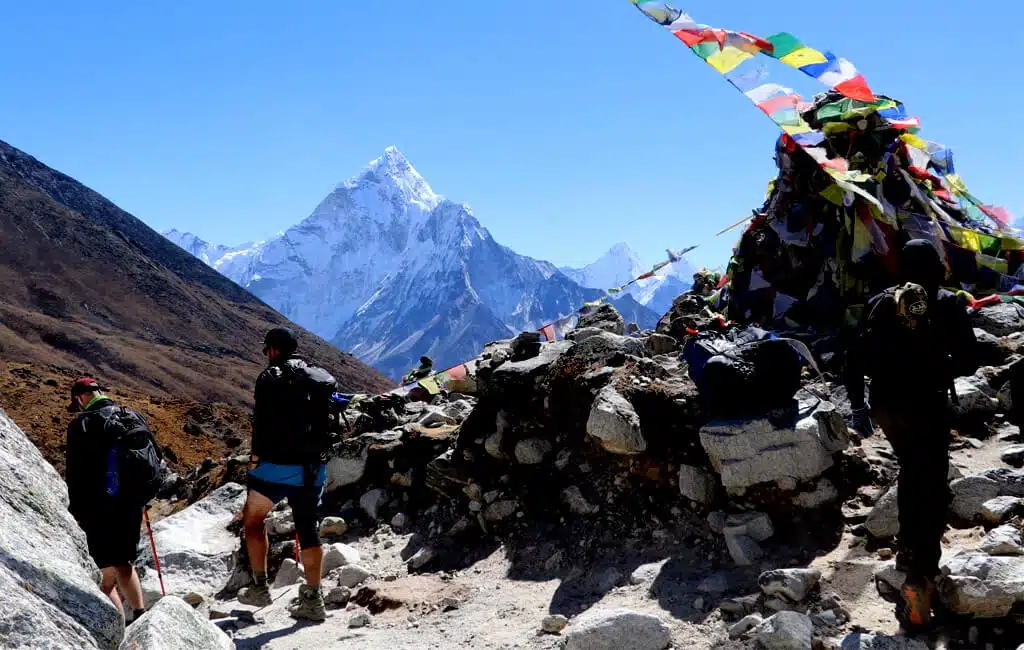
To trek legally in Nepal, solo trekkers must obtain the required permits:
- TIMS Card (Trekkers’ Information Management System)
- National Park or Conservation Area Permit
Some restricted regions require a licensed guide and special permits, making solo trekking not allowed in those areas. Always check current regulations before planning your trek.
Teahouse Trekking: Perfect for Solo Travelers
One of the biggest advantages of trekking in Nepal is the teahouse system. Along most popular routes, you’ll find simple lodges offering meals, accommodation, and a warm place to rest.
For solo trekkers, teahouses provide:
- Affordable lodging
- Social interaction with other trekkers
- Local food and cultural experience
- Safety through community presence
This system removes the need for camping gear and makes independent trekking much easier.
Challenges of Solo Trekking in Nepal
While rewarding, solo trekking comes with challenges:
- Altitude sickness if proper acclimatization is ignored
- Loneliness on remote trails
- Navigation issues in poor weather
- Limited support in emergencies
Being physically prepared, carrying a map or GPS, and understanding basic altitude sickness symptoms are crucial for a successful trek.
Tips for a Successful Solo Trek in Nepal
- Trek slowly and acclimatize properly
- Carry essential gear and backup cash
- Stay connected where possible
- Respect local culture and traditions
- Know when to turn back
Hiring a guide for certain sections or having emergency support arranged through a trekking company can make a huge difference.
Why Trek Solo with Support from Lead Nepal Treks?
At Lead Nepal Treks, we understand that solo trekkers value independence—but also appreciate local expertise and safety. We offer flexible services such as permits, route planning, guides, porters, and emergency support while allowing you to trek at your own pace.
Whether you want complete independence or light support, we help you create a safe, meaningful, and unforgettable solo trekking experience in Nepal.
Final Thoughts
Solo trekking in Nepal is an adventure like no other. From towering Himalayan peaks to warm village teahouses, every step brings new challenges and rewards. With proper preparation and the right support, trekking alone in Nepal can be one of the most life-changing journeys you’ll ever take.
If you’re ready to explore Nepal on your own terms, Lead Nepal Treks is here to guide you—every step of the way.

